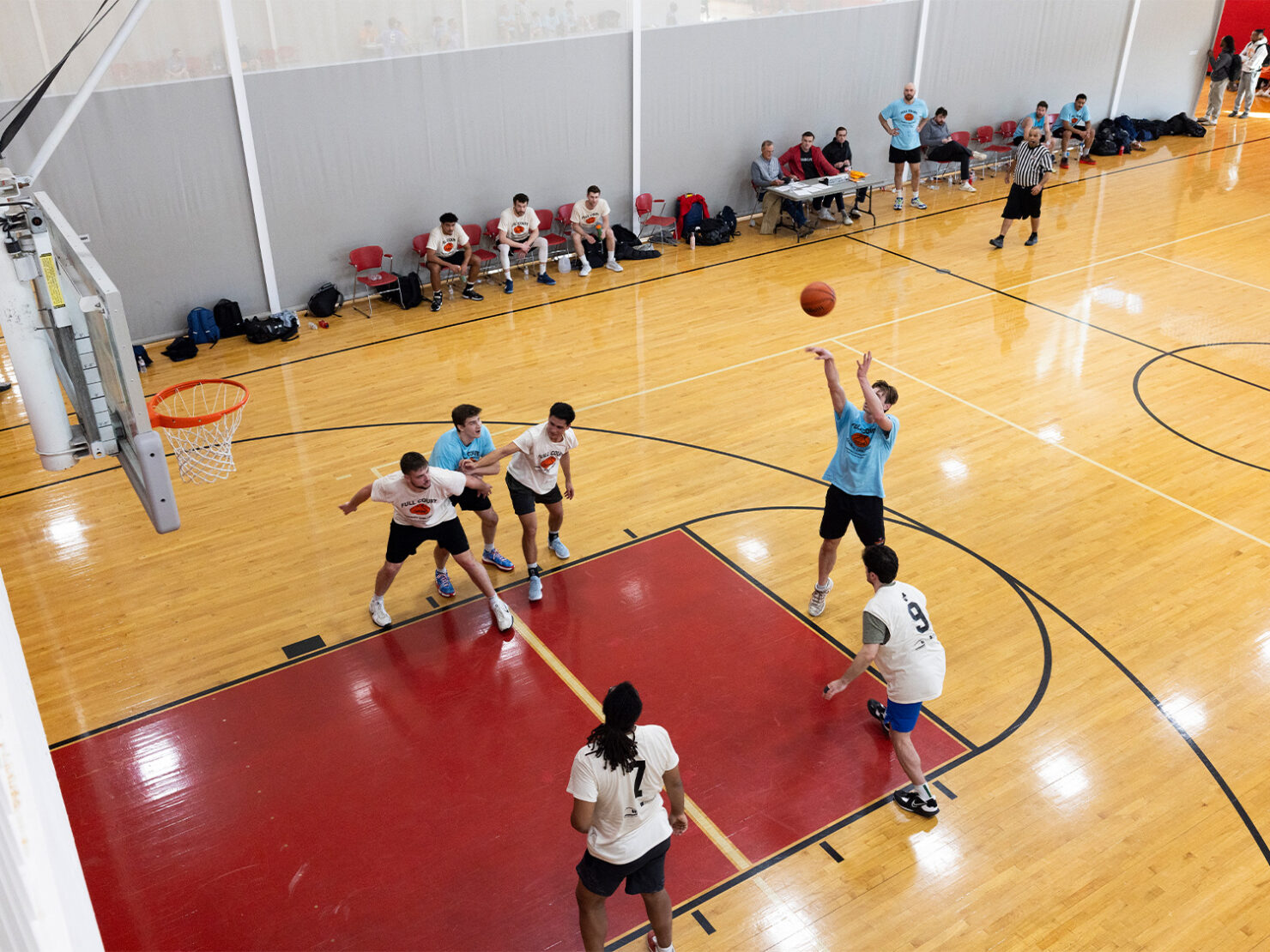
Bob Forlenza jokes that the Full Court Charity Challenge started because he’s “not much of a golfer.” But the roots of the beloved annual basketball tournament he has organized for nearly three decades go much deeper. They stem from real challenges he and his wife, Karen, saw in the 1990s as they were navigating care for their son Brian, who was diagnosed with autism at age 3.
“Back then, we didn’t have the internet to look up information,” Bob remembers. “LADDERS (the predecessor of the Lurie Center for Autism) was one of the few clinics with expertise, and there was a nine-month wait to get in. It struck us how difficult it was for families like ours to find a path forward, and how financial resources were a limiting factor for autism centers to meet the need, even then.”
“People like Bob are a rare resource. The time he has put in to bring people together, create an experience that is enjoyable and meaningful, and help them feel close to the Lurie Center’s mission, that is the most extraordinary gift of all.”
At the time, Bob was working for an investment company with a strong philanthropic culture. Seeing the various charity golf tournaments and cocktail parties that dominated Boston’s fundraising landscape, an idea began to percolate in his mind.
“I played basketball through college and in adult leagues for many years around the city, and I didn’t see many charitable events related to basketball,” Bob explains. “I decided to take that on and do something unique that would have an impact on the local autism community.”
A winning formula
The first Full Court Charity Challenge took place on the rooftop of a parking garage near TD Garden. The venue had six courts available for multiple teams to play simultaneously. Bob approached different players he had met through the leagues and asked them to join in.
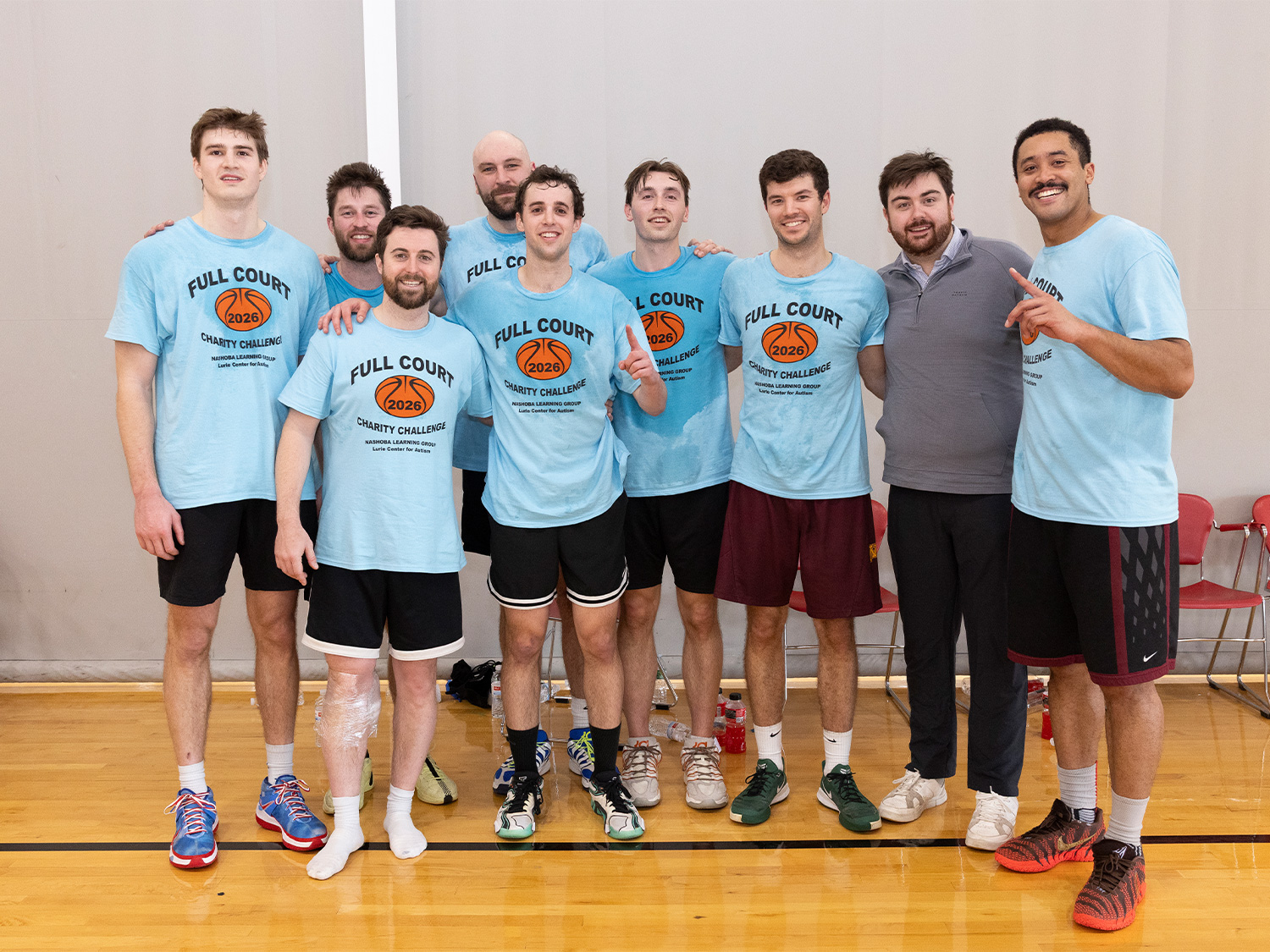
“My philosophy was, get them all in, and make sure they get to play a lot — and build in time to socialize,” Bob says. “Let the players hear from experts and patients, so they leave understanding what they were supporting, and how autism affects individuals and their families. I’ve followed that same formula ever since, and the event has only grown.”
Over the years, the Full Court Charity Challenge has raised approximately $4.5 million for autism care and services, splitting the proceeds between the Lurie Center for Autism and Nashoba Learning Group, a local organization that provides educational programming for children and adults with autism.
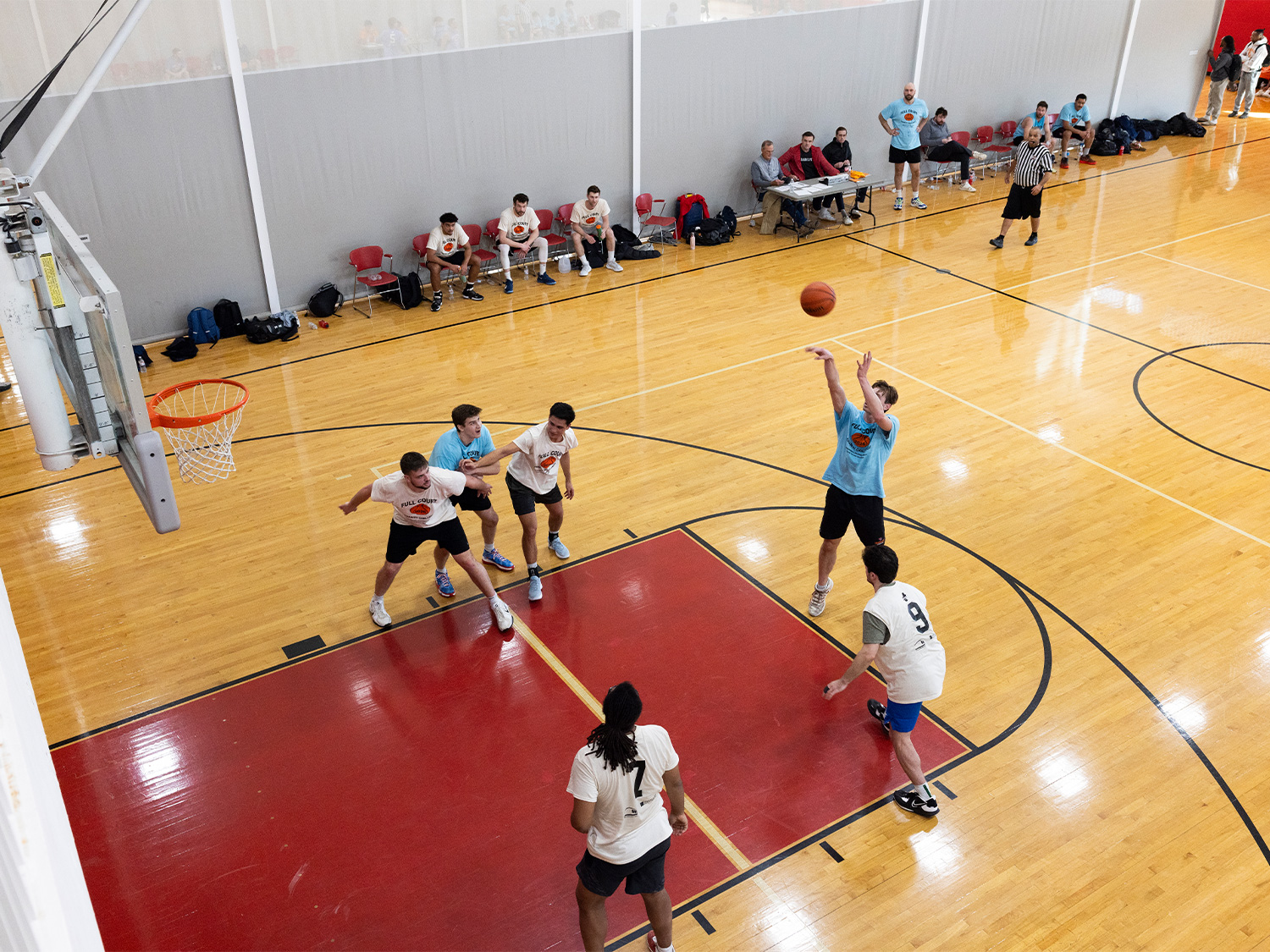
Now held at the Boston University Fitness and Recreation Center, the tournament draws 250 people across more than 20 teams, including collegiate and semiprofessional athletes. Many players have returned year after year, with what started simply as a love of the game but has become a personal drive to champion the autism community.
Bringing the team together
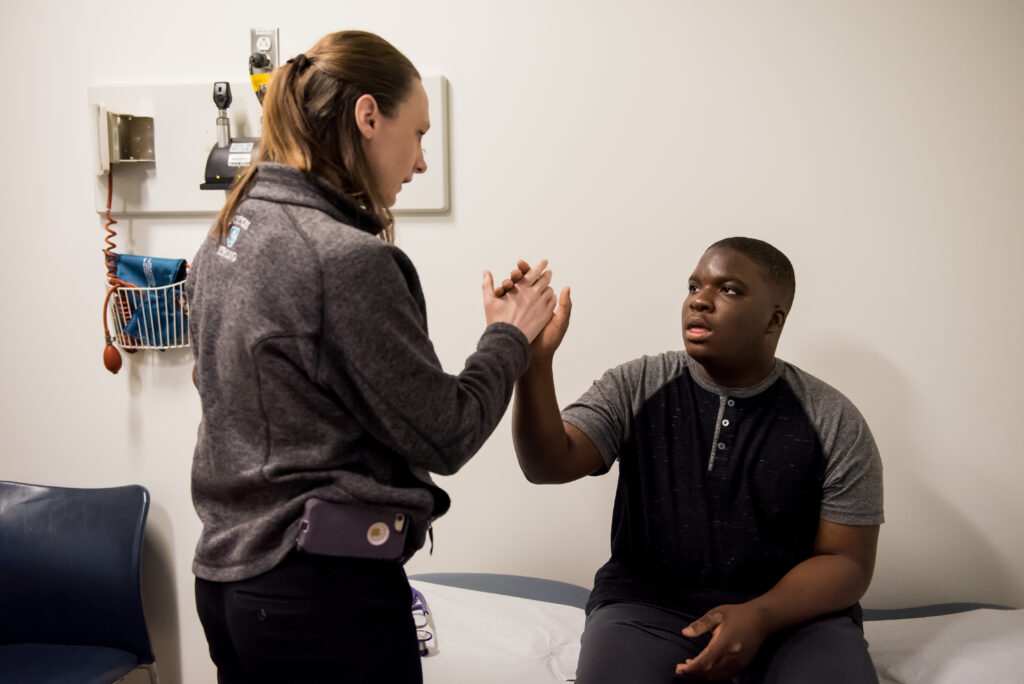
The tournament has also been a pathway to care for some participants with a loved one newly diagnosed with autism. Bob says, “I receive multiple calls a year from someone involved in the event who is seeking advice for their child or relative, and I point them to the Lurie Center as a resource.”
“The Lurie Center has an incredible team of people working across disciplines to provide the best care possible, but, unfortunately, the need for help has skyrocketed,” he adds. “So, I see our tournament having a role to play for years to come.”
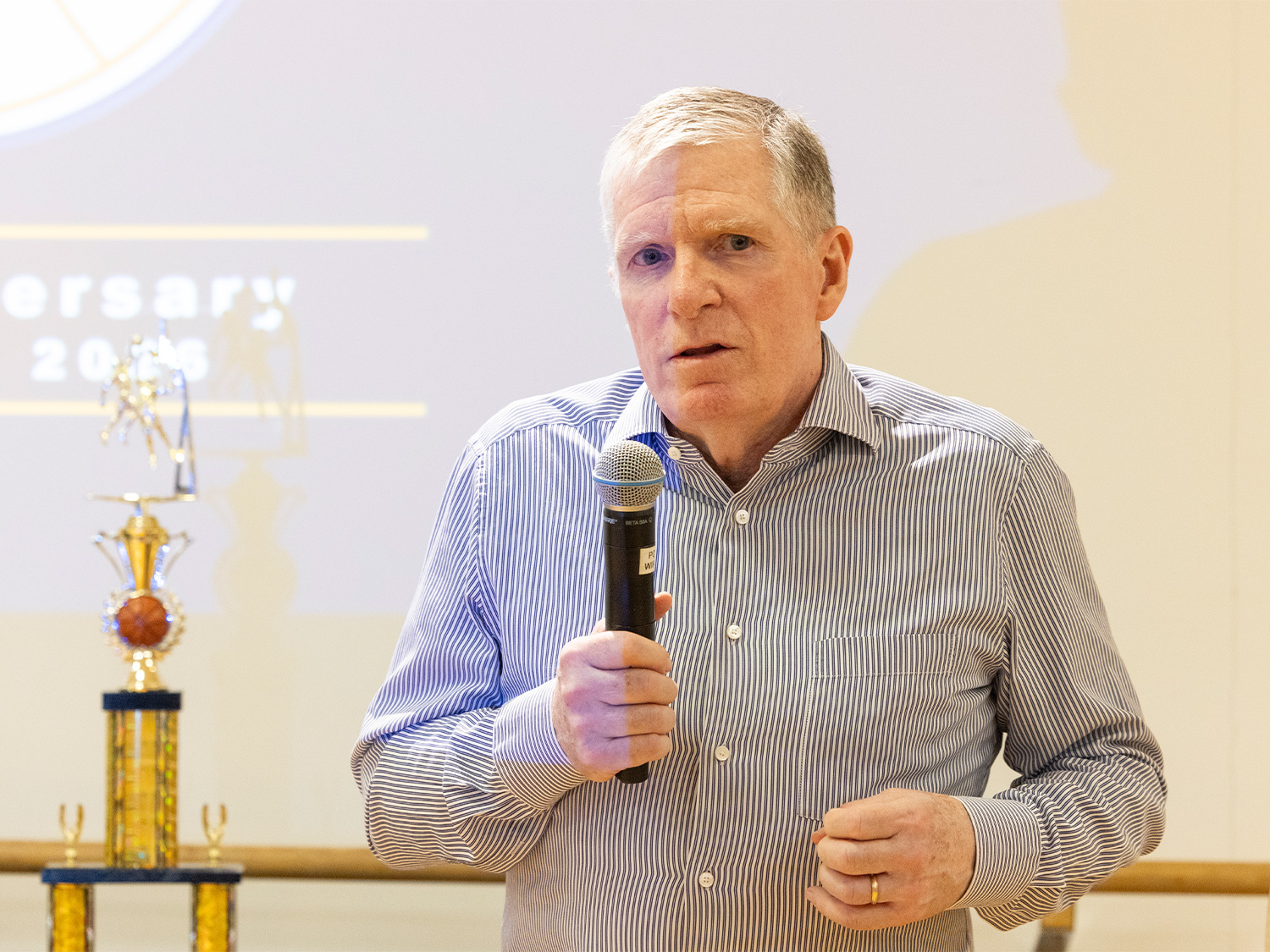
Initiating — and sustaining — a successful charity basketball tournament takes heart. While many people feel called to do good, far fewer are willing to helm a complex fundraising event with many moving parts.
“People like Bob are a rare resource,” says Christopher McDougle, MD, director of the Lurie Center. “The time he has put in to bring people together, create an experience that is enjoyable and meaningful, and help them feel close to the Lurie Center’s mission — that is the most extraordinary gift of all.”
The Forlenza family’s love for the Full Court Charity Challenge is clear. Bob and Karen’s four children, now adults, have grown up with it as part of their family life. Many of their friends are active players today. At one tournament a few years ago, Brian spoke to attendees about his experience and why their support matters — a feat, given that public speaking doesn’t come easily to him, Bob explains. To Bob, this highlights how their journey with the tournament has come full circle.
“So many people look forward to this event,” he says. “For our family, it’s one of the best days of the year.”
To make a gift to the Lurie Center for Autism, please click here or contact Craig Schroeder at cschroeder3@mgh.harvard.edu for more information. To start your own fundraiser for a cause important to you, visit our community fundraising page.