

When Stefania and Roy Frost celebrated their younger daughter Juliet’s first birthday in November 2025, there were many classic moments: big sister Sofia leading family and friends in singing “Happy Birthday”; their excited dog, Odie, waiting for crumbs to fall from the table; and Juliet smashing the cake with her chubby hands.
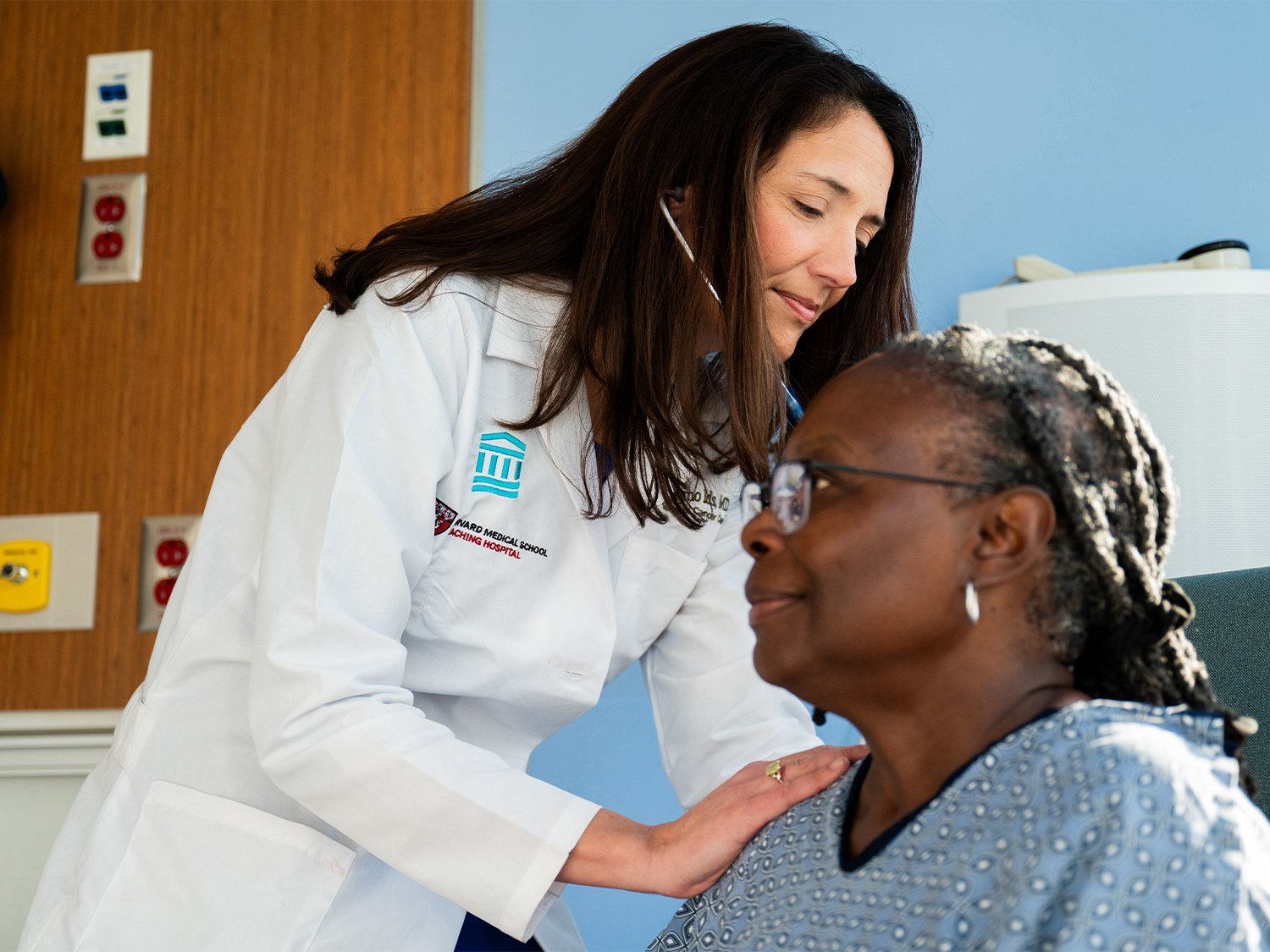
The day marked the culmination of a promising new phase in the family’s life after more than five years of health scares and anxieties, including a cancer diagnosis, major surgery, chemotherapy and fertility challenges. Accompanying the family through the entire journey was a multidisciplinary team from Mass General Brigham Cancer Institute, tailored to Stefania’s specific needs.
An unexpected journey begins
The day after a family cookout in June 2020, Stefania felt a sharp pain in her right side. She initially dismissed it as related to something she’d eaten the day before. When the pain persisted, her primary care physician ordered a CT scan. The scan revealed inflammation in the colon, and a few days later, she had a colonoscopy. At age 36 with an 18-month-old daughter, Sofia, Stefania couldn’t believe what the doctor told her: She had stage 3 colon cancer that had spread to her lymph nodes.
“I thought, ‘I can’t have cancer! I’m a mom — I have to be there for my daughter!’” Stefania recalls.
On July 16, 2020, Stefania had surgery to remove a tumor from her colon, along with 49 lymph nodes.
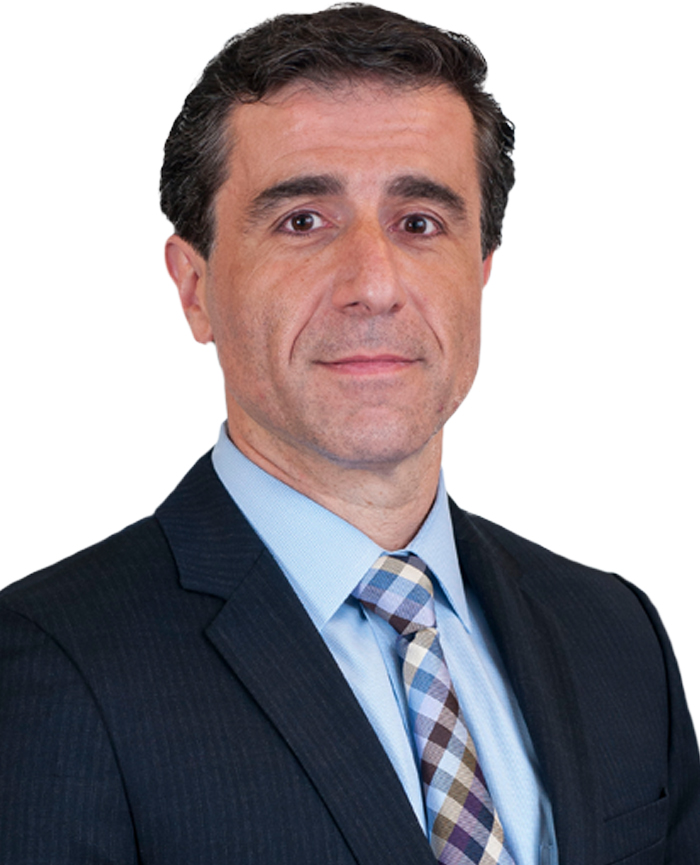
“Generally, patients with colon cancer are referred directly to a surgeon and not to oncology, because, most often, surgery is the first and final treatment,” says Rocco Ricciardi, MD, chief, Division of Colon and Rectal Surgery at Mass General Brigham Cancer Institute. “Following surgery, Stefania’s pathology results indicated that she would benefit from chemotherapy.”
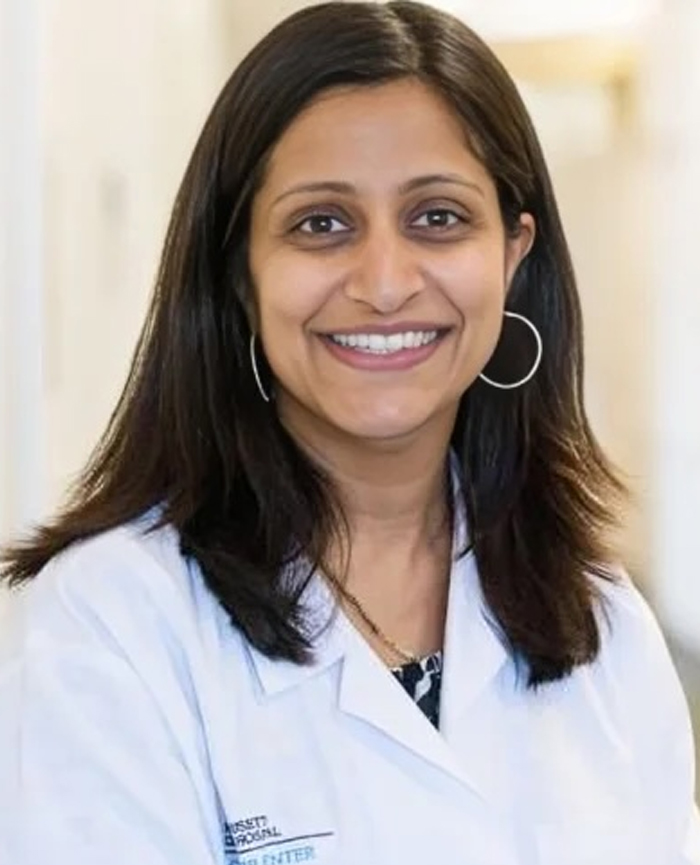
Ricciardi connected Stefania with oncologist Aparna Parikh, MD, medical director of the Center for Young Adult Colorectal Cancer at Mass General Brigham Cancer Institute. “As the incidence of young-onset colorectal cancer has risen, we have expanded our multidisciplinary care teams to care for the unique needs of younger patients,” says Parikh.
“We’ve added fertility management and expanded social work services. Many of these patients are in the prime of their earning potential. They often have young children to care for while receiving cancer treatments.”
But when Parikh recommended three months of chemotherapy, Stefania was worried.
“I told Dr. Parikh I really wanted to have another baby, and I’d heard chemo can damage your ovaries,” says Stefania.
The care team expands
Parikh immediately referred Stefania to the Clinic for Reproductive Health and Cancer at Mass General Brigham, where Stefania underwent egg retrieval and in vitro fertilization before beginning chemotherapy.
Victoria Fitz, MD, MS, was a fellow in the clinic when Stefania’s urgent referral came through.
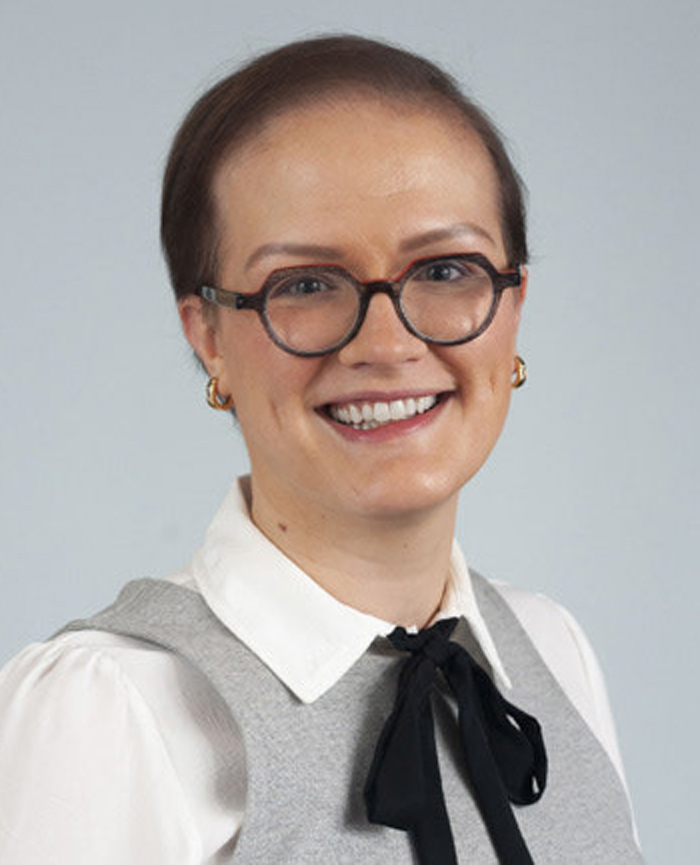
“Fertility implications are often a primary concern for cancer patients of reproductive age, so the consult and counseling are a critical part of our multidisciplinary approach,” says Fitz. “It’s even expanding to rheumatologic disorders and benign hematologic disorders like lupus and sickle cell disease.”
After completing chemotherapy in November 2020, Stefania went through nearly two years of fertility interventions and two miscarriages.Finally, she and Roy agreed to stop fertility treatments, giving up on their dream of a second child.
New life, new hopes
In March 2024, when Stefania saw the double lines of a positive home pregnancy test, she stared at them in disbelief.
“I kept [saying], ‘Is that really two lines?’” she recalls. “I was in shock. I was also scared, because I’d had two miscarriages before.”
Soon, the excitement and joy overtook her anxieties. She called Roy to share the happy news. Later that day, Stefania drove to her parents’ house to pick up Sofia.
“We were in the car, and I just blurted out to Sofia that I was having a baby,” she recalls with a laugh.
Coordinating pregnancy care
With Stefania’s medical history of cancer and a lifelong heart condition, her pregnancy triggered an expanded Mass General Brigham care team, including adult congenital heart disease specialist Sihong Huang, MD, and maternal-fetal medicine specialist Molly Siegel, MD.
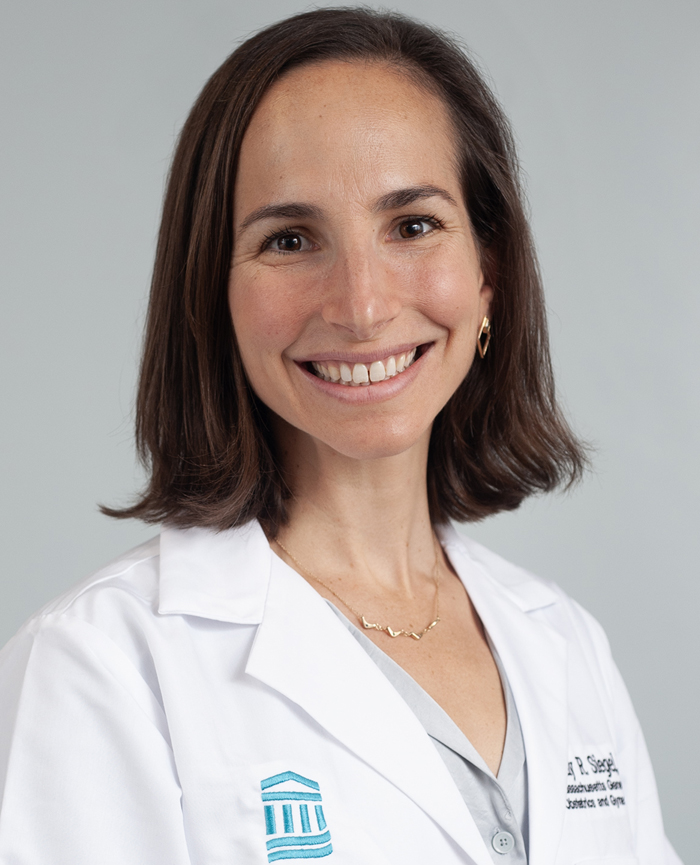
“Pregnancy puts incredible strain on the heart and vascular system,” says Huang. “Given Stefania’s history, close communication within our team was essential.”
Siegel echoes Huang’s commitment to the team’s communication.
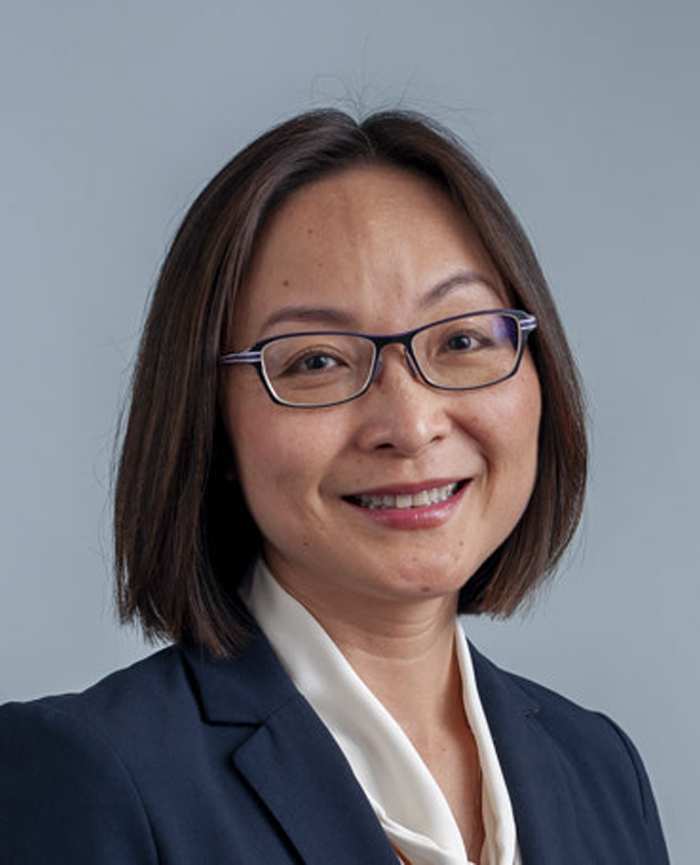
“For Stefania, we had to make sure her cancer screenings were up to date and that her cardiologist and oncologist were part of the plan,” says Siegel. “We worked together to monitor for a recurrence of cancer, monitor her cardiac status during the pregnancy, while also monitoring the baby for any anomalies, as well as fetal growth and well-being. It’s an individualized approach, which is what’s so cool about our jobs.”
“I always felt like everyone involved in my care was in it together.
A dream team
The seamless coordination of multidisciplinary care Stefania experienced over the years — from cancer diagnosis, surgery and chemo to fertility treatments, pregnancy care and postpartum recovery — left a lasting impression.
“I always felt like everyone involved in my care was in it together,” Stefania says. “All my doctors listened to and took my concerns seriously. And when I was getting chemo, the nurses took such good care of me. They set me up in a room with a great view of the city and got me anything I needed.”
Now, with a clean bill of health and two lively daughters, Stefania feels grateful for the many people at Mass General Brigham Cancer Institute who helped make her dreams come true.
“Thank you for helping me beat this,” Stefania says. “I’m so happy my family is complete.”
To learn more or make a gift to the Mass General Brigham Cancer Institute, contact us.