
Across the country, schools face an unprecedented convergence of challenges: rising youth mental health needs, increased substance use, and limited resources to respond. Yet within these challenges lies a powerful opportunity. Schools are one of the few places that reach nearly every young person, every day — making them a critical foundation for prevention, early intervention, and long-term well-being.
This opportunity is at the heart of the Center for School Behavioral Health (CSBH), directed by clinical psychologist Randi Schuster, PhD, in the Mass General Brigham Department of Psychiatry. The CSBH was created to address youth mental health needs with scalable, school-based systems that translate evidence into everyday practice.
“Our mental health system is largely designed to respond once a child is already in crisis,” says Dr. Schuster. “Schools give us the opportunity to meet kids where they are and intervene earlier — when they are just beginning to show signs of distress — and support them before challenges escalate.”
The center’s mission is to build, test, and deliver evidence-informed behavioral health solutions in schools, so effective support for youth mental health becomes the norm rather than the exception.
Why schools matter — especially now
Adolescence is a formative period for mental health, emotional well-being, and risk taking — when early symptoms often emerge and timely support can make a lifelong difference.

“What makes this moment urgent is we are seeing both need and opportunity,” says Dr. Schuster. “Students are open to conversations about mental health and substance use, but the systems around them haven’t caught up. If we can meet them with developmentally appropriate, accessible support, we can prevent escalation and promote long-term well-being.”
For many students, school is their most consistent point of contact with trusted adults, and embedding behavioral health support into school settings lowers barriers to care and increases the likelihood students receive help. Designed to work within existing school structures, the CSBH helps schools identify concerns earlier, promotes overall wellness, and reduces strain on an overburdened mental health system.
Hundreds of schools across Massachusetts have partnered with the CSBH to integrate evidence-based behavioral health supports, demonstrating what is possible when schools are empowered as partners in advancing youth mental health. As of April 2026, the CSBH has expanded its school partnerships nationally.
From research to practice to policy
The CSBH intentionally connects research, practice, and policy to create school-based solutions that work. Dr. Schuster notes that, too often, these efforts are siloed: Research fails to reach classrooms, practice goes unevaluated, and policy advances without clear evidence. The CSBH brings all three together through a continuous feedback loop, enabling programs that are effective, adaptable, and scalable.
“Schools give us the opportunity to meet kids where they are and intervene earlier — when they are just beginning to show signs of distress — and support them before challenges escalate.”
A key differentiator is the CSBH’s commitment to co-designing programs and dissemination strategies in partnership with those directly impacted. The center’s Student Advisory Board and Executive Committee — which include educators, system leaders, and policymakers — play a central role in shaping priorities, refining programs, and guiding implementation. Their involvement ensures that solutions are evidence-informed, feasible, and responsive to real-world school contexts with system-level impact.
This integrated approach takes shape through the center’s core programs such as iDECIDE™ and iCARE. Through iDECIDE™, educators are equipped with restorative, evidence-based tools to address substance use and promote behavior change. iCARE extends early intervention into the home, providing caregivers with practical tools to reinforce learning and support students beyond the school day.
Investing in the future
The center’s commitment to early intervention extends to building a sustainable future for school-based behavioral health.
“Our goal is to build systems that last — so effective behavioral health support is part of everyday school life,” says Dr. Schuster.
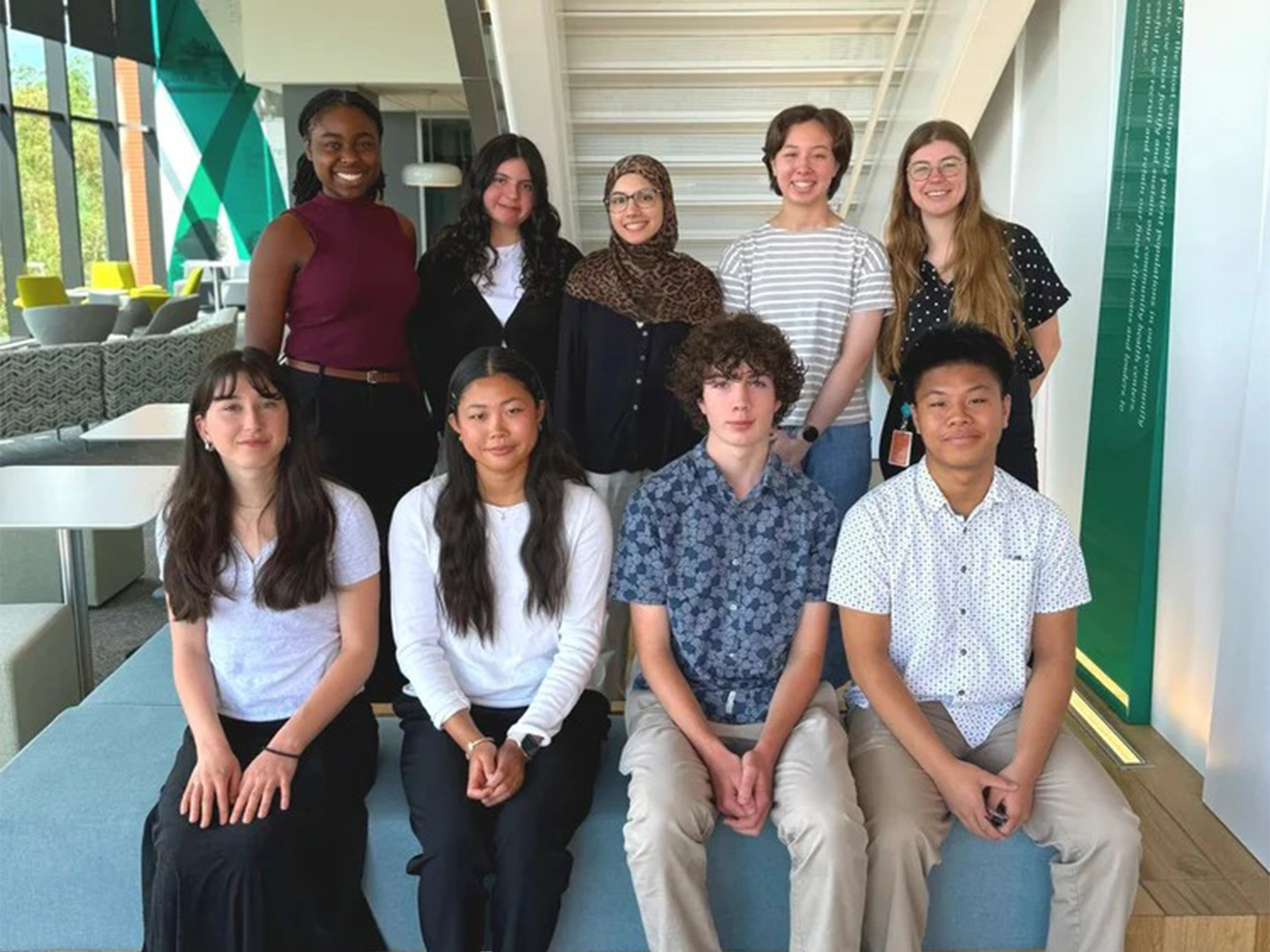
That future-focused commitment is reflected in the CSBH Summer Internship Program, which introduces high school students — particularly those from underserved backgrounds — to careers in behavioral health and public health through hands-on research experience and mentorship. Often a first exposure to the field, the program builds skills, confidence, and pathways into careers critical to building enduring healthy communities.
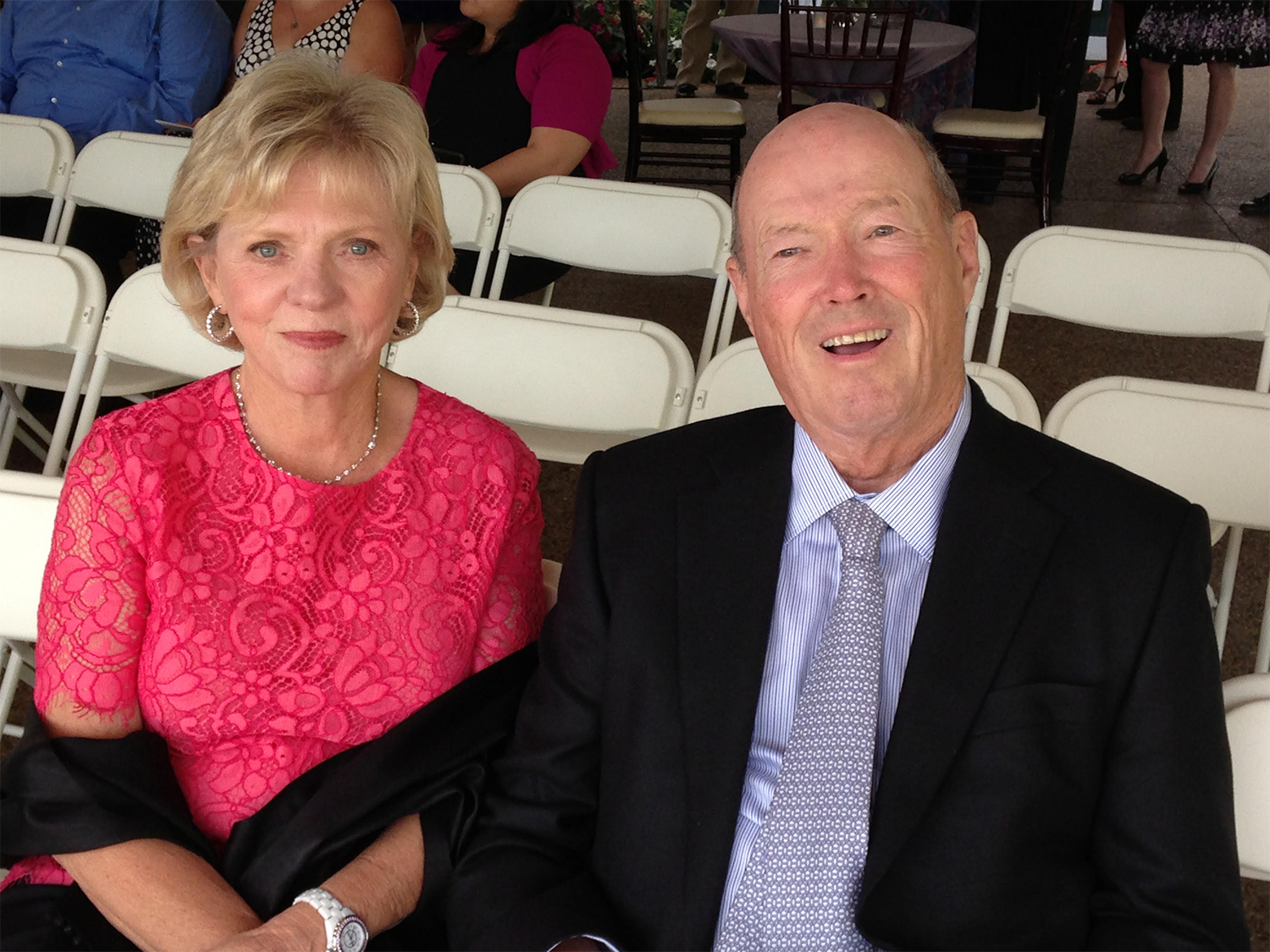
Long-term sustainability for the CSBH is further supported by philanthropy. Haleh Azar and Ali Shajii recently established the Shajii & Azar Family Endowed Chair in Behavioral Health to honor and support Dr. Schuster’s work. The endowed chair provides a reliable source of support for Dr. Schuster and her successors, empowering them with resources in perpetuity to ensure leadership and strategic growth of the center now and into the future.
“Dr. Schuster’s work recognizes schools as one of the most powerful places to support youth mental health,” says Haleh Azar. “The Shajii & Azar Family Endowed Chair in Behavioral Health aims to support and sustain Dr. Schuster’s visionary leadership and the power of schools to shape healthier futures for young people.”
Looking ahead — and why philanthropy matters
The CSBH has a clear goal: Make high-quality prevention and early intervention available in every school, regardless of resources or geography. By strengthening school-based systems, the center aims to ensure effective behavioral health support reaches students earlier and more equitably.
The CSBH also focuses on scaling its models nationally. This includes building the infrastructure needed for training, implementation, and evaluation at scale, so schools can adopt these approaches over time. The center also advocates for public policies supporting evidence-based, school-centered behavioral health care.
Philanthropy is a catalyst in making this vision possible. Donor support provides the flexibility to innovate, respond to emerging needs, invest in people and infrastructure, and expand access for schools and communities that might otherwise be left behind. Philanthropy helps turn evidence into sustainable systems that improve outcomes for students and communities for generations to come.
To support the Center for School Behavioral Health, please contact Lorraine Fanton or give online.